
Butte County jury duty is a legal obligation for residents who are selected to participate in local court trials. When individuals receive a jury duty notice, they are expected to appear in court and assist in evaluating evidence, listening to witness testimony, and helping determine fair verdicts in civil and criminal cases. This civic process ensures that justice in Butte County remains fair, transparent, and based on community participation.
A jury duty notice is usually issued based on voter registration records and DMV data, and it randomly selects eligible citizens for potential service. Jury duty in Butte County, California, plays an essential role in upholding the constitutional right to a trial by jury. By participating, residents directly support the court system, strengthen public trust in legal decisions, and ensure that cases are decided by a group of peers rather than a single authority.
What is a Jury Summons in Butte County?
A jury summons in Butte County is an official court order telling a resident to appear for jury service. The court sends this document through the mail to randomly selected citizens.
Receiving the Court Summons
A court summons arrives in a standard envelope from the Butte County Superior Court. The envelope often displays official markings to grab the resident’s attention. Inside, the recipient finds a formal summons letter outlining the legal requirement to serve. The court pulls names from DMV records and voter registration lists. Getting a jury duty notice means the court randomly selected the resident’s name from this pool. The law requires recipients to open this mail immediately and read the contents. Ignoring the envelope does not make the obligation disappear.
What the Summons Letter Includes
The summons letter contains several critical pieces of information. The document lists the resident’s name, address, and juror participant number. Plus, it states the exact date and time the person must appear at the courthouse. The paper provides the specific courthouse address and reporting instructions. The form often includes a detachable juror questionnaire. The court uses this questionnaire to gather basic background details before the potential juror arrives.
Steps Breakdown of a Summons:
- https://www.butte.courts.ca.gov/
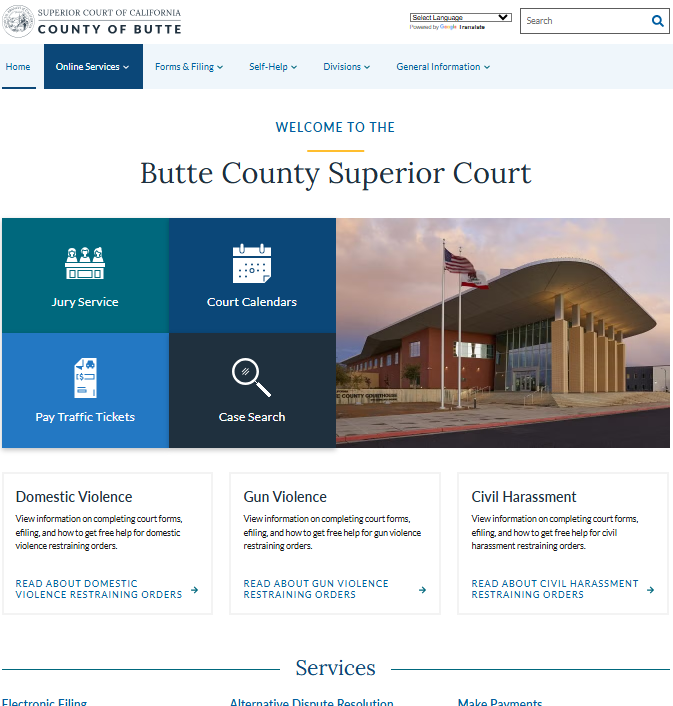
- Verify Personal Details: The recipient checks their name and address for accuracy right away.
- Locate Service Date: The person finds the exact reporting date and time printed near the top of the letter.
- Complete the Juror Questionnaire: The resident fills out the requested background information honestly.
- Review Reporting Instructions: The reader checks the summons for specific directions about where to go and what to bring.
- Respond to the Court: The recipient follows the instructions to confirm their attendance or request a postponement.
Using the Online Response System
Butte County provides a convenient online response system for recipients. The summons letter features a website link and a unique participant number. Residents can log into the portal to submit their juror questionnaire electronically. The online portal allows users to confirm their attendance date. They can request a postponement through the website. The digital system saves time and keeps records accurate. The court strongly prefers digital responses over mailed paper forms.
Jury Eligibility Requirements
Jury service requirements in Butte County demand that participants meet specific age, citizenship, and residency rules. People who fail to meet these eligibility rules face disqualification from serving on a jury.
Who Can Serve on a Jury
The law sets strict eligibility rules for potential jurors. A qualified person must be at least 18 years old. They must be a United States citizen. They must live in Butte County at the time they receive the summons. Juror services in Butte County require that residents understand English well enough to follow court proceedings. A person must possess their full mental faculties. They must never have been convicted of a felony, unless their civil rights were fully restored. The court wants individuals who can make fair, impartial choices based on facts.
Basic Eligibility Checklist:
- Age: At least 18 years old.
- Citizenship: United States citizen.
- Residency: Current resident of Butte County.
- Language: Proficient in English.
- Legal Status: No felony convictions without restored rights.
Who is Exempt from Serving
Some people qualify for a full disqualification based on their job or health. Active duty military members often receive an exemption. Police officers and firefighters usually do not serve on juries. Elected officials currently holding office are exempted. People with permanent medical conditions that prevent attendance can request a medical exemption. A doctor’s note must support a medical disqualification.
Residency and Language Rules
The residency requirement stands as a key factor for eligibility. A person must live in the county to sit on a local jury. College students living in Butte County for school usually count as residents. If a person moves out of the county before their service date, they become disqualified. Language rules matter just as much. The trial moves quickly, and interpreters are rarely provided for jurors. A potential juror must speak and understand English fluently. If a person cannot fill out the juror questionnaire in English, the court will excuse them. Competitors often confuse these rules, making it seem like anyone can serve. Yet, the court strictly enforces these boundaries to keep trials fair.
Jury Selection Process
The jury selection process picks random citizens from the community to hear a specific trial. Courts use screening and interviews to choose fair and unbiased jury panels.
Random Selection and the Jury Panel
The process starts with a massive random draw. The court pulls names from local DMV and voter databases. These names form the master jury panel. The court then sends out summonses to a smaller group from this panel. These citizens must show up at the courthouse for jury duty. The court randomly assigns these people to different courtrooms. This ensures a fair cross-section of the community. The court appearance instructions tell the group which courtroom to enter. From there, the actual screening begins.
The Juror Screening Questionnaire
Before entering the courtroom, citizens often complete a more detailed questionnaire. This paper asks about the person’s background, job, and beliefs. The judge and attorneys read these answers carefully. They look for any obvious biases. For instance, a person who works as a police detective might hold an unconscious bias toward law enforcement. The attorneys use these written answers to form their interview questions. This step saves time for everyone involved.
The Interview Stage Called Voir Dire
Voir dire is the official term for the juror interview process. The judge and the lawyers ask the potential jurors direct questions. They ask if anyone knows the people involved in the lawsuit. They ask if anyone has strong opinions about the subject of the case. The goal is to find out if a person can remain impartial.
Simple Courtroom Flow Explanation:
- Group Entry: The entire jury panel enters the courtroom and takes seats in the gallery.
- Swearing In: The clerk swears in the entire group.
- Questioning: The judge and lawyers ask questions to the group. Individuals raise their hands and answer honestly.
- Challenges for Cause: A lawyer can ask the judge to remove a person who shows clear bias.
- Peremptory Challenges: Each lawyer can dismiss a few people without giving a reason.
- Final Selection: The first twelve people remaining in the chairs become the official jury.
Final Selection and Seating
The attorneys take turns dismissing potential jurors. Once both sides run out of challenges, the remaining people fill the jury box. The judge swears in the final group. These citizens officially become the jurors for the trial. The court then reads the initial jury instructions. The trial begins immediately after this selection process finishes.
How to Respond to a Jury Summons
Residents must respond to a jury summons in Butte County using the online portal or phone system before the stated deadline. Ignoring this court order leads to serious legal penalties.
Online Response Portal Steps
The fastest way to handle a jury summons in Butte County is through the online portal. The court website provides a simple interface for participants.
Online Portal Instructions:
- Visit the Website: Open the Butte County Superior Court juror portal.
- Enter Badge Number: Type the participant number printed on the summons letter.
- Log In: Enter your date of birth to verify identity.
- Fill Out Questionnaire: Complete the required background questions accurately.
- Confirm or Postpone: Select the option to confirm the current date or submit a postponement request.
This system updates the court records instantly. The person receives a digital confirmation number after finishing.
Phone Response System
Some residents prefer using the automated phone system. The summons letter includes a toll-free number. The caller enters their participant number using the keypad. A recorded voice walks the caller through the juror questionnaire. The system allows the person to confirm their reporting date. They can request a postponement by phone. The caller should write down their confirmation number at the end of the call.
Meeting the Deadlines
The court sets strict deadlines for responding. The recipient must submit their response within five days of getting the mail. Prompt responses help the court plan the jury selection process. Waiting too long creates scheduling problems for the court staff. The jury reporting process depends on knowing exactly how many people plan to show up. If a person misses the deadline, they must call the court immediately to explain the delay.
What Happens if You Ignore the Summons
Ignoring a jury duty notice carries severe consequences. The court views a no-response as a violation of the law. A judge can issue a bench warrant for the person’s arrest. The court can impose heavy fines. The person might have to appear before a judge to explain their absence. The judge could order them to complete community service. Avoiding the summons never makes it go away. The court records remain active until the person responds. Doing nothing turns a simple civic duty into a major legal problem.
Reporting for Jury Duty
Reporting for jury duty requires showing up at the designated Butte County courthouse at the requested time. Jurors must follow strict attendance rules and security protocols upon arrival.
Where to Go and What Time to Arrive
The reporting instructions the California court provides list the exact location. Most Butte County jurors report to the courthouse in Oroville. The summons states the building address and the specific room number. The reporting time usually falls around 8:00 AM or 8:30 AM. Arriving late causes major disruptions. The court starts the check-in process precisely on time. Latecomers might face penalties or get rescheduled for another day. Traffic and parking take extra time in the morning. Jurors should plan to arrive at least thirty minutes early to find parking and walk to the building.
What to Bring to the Courthouse
The court limits what people can bring inside. Jurors must carry their summons letter and a valid photo ID. A driver’s license or state ID works perfectly. The court requires these documents for identity verification. People should bring a sweater or jacket since courtrooms often feel cold. Reading material is helpful during long breaks. Snacks and a water bottle keep people comfortable. Cell phones are allowed, but the court bans cameras and weapons.
Courthouse Security Rules
Everyone entering the courthouse must go through metal detectors. Security officers search bags and pockets. Weapons of any kind are strictly forbidden. This includes pocket knives, scissors, and pepper spray. The security line moves slowly during the morning rush. Arriving early ensures the juror makes it to check-in on time. Officers will confiscate banned items or deny entry to the person carrying them.
The Check-in Process
After passing security, jurors proceed to the jury assembly room. A court clerk sits at a desk checking people in. The clerk verifies the juror’s ID and summons letter. The juror receives a badge or a lanyard. This badge identifies them as an official juror inside the building. The clerk gives a brief orientation about the daily schedule and courthouse rules. The attendance rules require jurors to wear their badges visibly at all times. The court expects everyone to return from breaks on time.
Jury Duty Pay, Duration & Expectations
Juror services in California provide a daily compensation rate for residents who complete their attendance. The trial duration usually lasts between one and five days, depending on the specific case.
Jury Duty Pay California Rates
The state sets the jury duty pay rate in California by law. Butte County pays jurors a standard fee per day of service. The current rate stands at fifteen dollars per day. The court starts paying this fee beginning on the second day of service. The first day goes unpaid, though the court still covers mileage. Jurors receive a check in the mail a few weeks after their service ends. Some employers continue paying the employee’s full salary during jury duty. Workers should check their employee handbook or ask their HR department about company policies.
Mileage and Travel Compensation
The court pays for travel expenses. Jurors receive a mileage reimbursement for each mile driven from their home to the courthouse. The current mileage rate matches the federal standard. The court calculates this distance using the juror’s home zip code. People who take public transportation can submit their bus or train receipts for full reimbursement. The mileage payment applies even on the first, unpaid day of service.
How Long Does Service Last
The trial duration varies based on the complexity of the case. Most trials in Butte County last between one and three days. Some complicated cases can stretch to a full week. The judge usually gives the jury an estimated timeline on the first morning. If a trial lasts longer than expected, the court communicates the new schedule daily. Jurors must stay until the judge officially dismisses them.
Daily Schedule and Expectations
A typical day in the courthouse runs from 8:30 AM to 4:30 PM. The judge takes a morning break around 10:30 AM. Lunch usually lasts from 12:00 PM to 1:30 PM. An afternoon break happens around 3:00 PM. The court respects the jurors’ time and tries to stick to this schedule. Jurors must remain attentive during the trial. They cannot discuss the case with anyone outside the jury room. They must avoid researching the case on the internet. Following these rules guarantees a fair trial for everyone involved.
Exemptions, Deferrals & Excuses
Residents can get excused from jury duty if they prove a valid hardship or medical condition to the court. The deferral process allows citizens to postpone their service to a later date.
Valid Excuses to Get Excused from Jury Duty
The court accepts certain valid excuses to remove a person from the jury pool entirely. A person must submit a formal hardship request explaining their situation.
Common Valid Excuses:
- Medical Exemption: A doctor must verify that the person cannot sit for long periods or has a severe illness.
- Primary Caregiver: A person who takes care of a sick family member or a young child full-time can get excused.
- Financial Hardship: If serving causes a complete loss of income and the person cannot afford basic living expenses, the court might excuse them.
- Active Military: Active duty members stationed far away qualify for an exemption.
- Age: Residents over 70 years old can claim an age-based exemption without further proof.
The judge reviews every request on a case-by-case basis.
How to Request a Postponement
Sometimes, a person cannot serve on the specific date listed on the summons. A jury postponement request allows them to delay service. The court usually grants one postponement without much hassle. The person must pick a new date within the next six months. The online portal makes this process simple. The user logs in, selects the postponement option, and picks a new date from the calendar. The court confirms the new date electronically. The person must write down this new date immediately.
The Deferral Process and Documentation
The deferral process requires proper documentation. A simple phone call is not enough. If a person claims a medical exemption, they must submit a doctor’s note. The note must explain why the person cannot serve. If a person claims a financial hardship, they might need to show proof of income or a letter from their employer. The court needs these documents to verify the excuse. Falsifying documents is a crime. The court reviews the paperwork and mails a decision to the resident. The person must keep checking their status until the court grants the excuse. They must still show up on the assigned date if the court denies the request.
What Happens Inside the Courtroom
Court appearance instructions require jurors to listen to the trial evidence and follow the judge’s directions. The deliberation process starts after both sides finish presenting their cases.
Courtroom Behavior and Expectations
Jurors play a vital role in the courtroom. They must sit quietly and pay close attention to all testimonies. Talking during the proceedings is strictly forbidden. Jurors cannot take notes unless the judge specifically allows it. Cell phones must remain turned off and put away. The court expects everyone to dress respectfully. Business casual clothing shows respect for the court. When the judge enters or exits the room, everyone must stand. Following these basic rules keeps the courtroom orderly.
The Trial Process Steps
A trial follows a specific sequence of events.
- Opening Statements: The lawyers from both sides explain what they intend to prove.
- Presentation of Evidence: The plaintiff or prosecutor calls witnesses and presents physical evidence. The defense cross-examines these witnesses.
- Defense Case: The defense presents its own witnesses and evidence. The plaintiff cross-examines them.
- Closing Arguments: Both sides summarize their cases and try to persuade the jury.
- Jury Instructions: The judge explains the exact laws the jury must apply to the facts.
This step-by-step process ensures both sides get a fair chance to present their story.
Jury Deliberation Process
After the closing arguments, the jury moves to a private room. This begins the deliberation process. A foreperson leads the discussion. The jurors talk about the evidence and the judge’s instructions. They must base their decision only on the facts presented in court. Outside opinions do not matter. The group votes on the verdict. If the jury cannot agree, the judge might encourage them to keep trying. A deadlocked jury results in a mistrial. Once the jury reaches a verdict, they notify the bailiff. They return to the courtroom and read the decision aloud.
FAQs About Butte County Jury Duty
The frequently asked questions section answers common concerns about Butte County jury duty and reporting instructions. People can find quick facts about exemptions, selections, and pay here.
What if I miss jury duty?
Missing jury duty creates serious legal problems. The court can issue a fine or order the person to appear before a judge. A bench warrant for arrest is possible. The person must contact juror services immediately to explain the absence. The judge decides the penalty based on the person’s reason. Ignoring the missed date makes the situation worse. Calling the court right away shows respect for the law and might resolve the issue quickly.
Can I postpone jury duty?
Yes, residents can postpone their service date. The court allows one automatic postponement. The person must pick a new date within six months of the original date. They can submit this request through the online portal or by phone. The court requires the person to commit to the new date. Failing to show up on the postponed date results in penalties.
Do jurors get paid?
Yes, jurors receive compensation. The court pays fifteen dollars per day starting on the second day of service. Jurors get mileage reimbursement for travel every day. The check arrives by mail a few weeks after the service ends. Some employers continue paying the employee’s full salary during the trial. Workers should ask their company about this policy before their service date.
How are jurors selected?
Courts select jurors randomly. The court pulls names from county voter registration and DMV databases. The court sends a jury summons, Butte County, to those names. The person must fill out a questionnaire and report to the courthouse. The judge and lawyers question the group in a process called voir dire. They dismiss people who show bias. The remaining individuals form the official jury for the trial.